
A Heart Transplant Surgery is a critical procedure in which a failing or diseased heart is replaced with a healthy donor heart. This intervention is typically considered for patients suffering from end-stage heart disease, where other treatments have proven ineffective.
The process involves careful evaluation of the recipient’s health, compatibility with the donor, and the potential for successful recovery. Overall, heart transplantation offers a vital option for individuals seeking to improve their quality of life and extend their lifespan in the face of severe cardiac conditions.
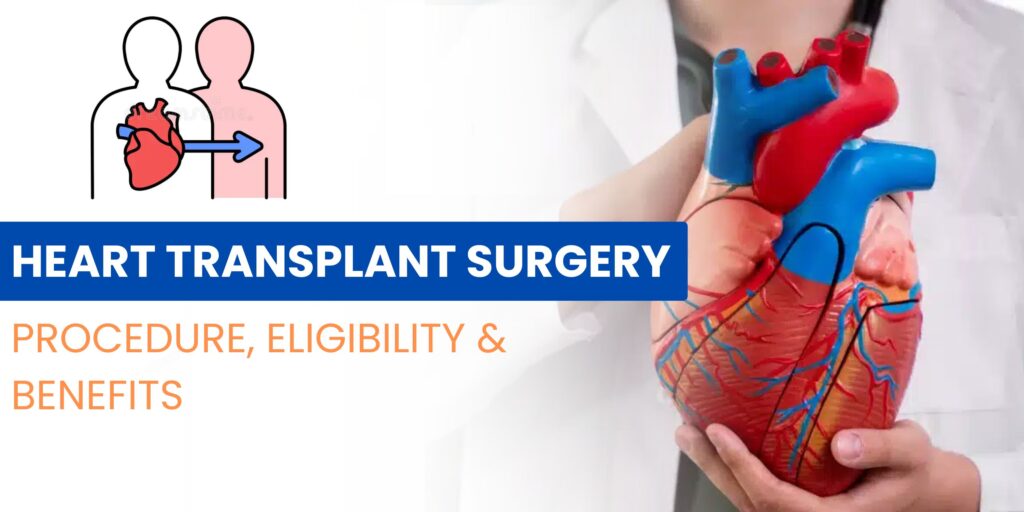
What is a Heart Transplant?
A heart Transplant surgery is a surgical procedure that involves replacing a diseased or damaged heart with a healthy heart from a deceased donor.
This operation is typically considered for patients suffering from severe heart conditions, such as end-stage heart failure, where other treatments have failed to improve their condition. The goal of the transplant is to restore normal heart function and enhance the patient’s quality of life. Following the procedure, recipients require lifelong medical care, including immunosuppressive therapy to prevent organ rejection.
Who Needs a Heart Transplant Surgery?
Heart transplants are typically required for individuals suffering from severe heart conditions that cannot be effectively managed through other medical treatments. This includes patients with end-stage heart failure, significant coronary artery disease, or congenital heart defects that severely impair cardiac function.
The decision to pursue a transplant is based on a comprehensive evaluation of the patient’s overall health, the severity of their heart condition, and their potential to benefit from the procedure. Ultimately, a heart transplant can offer a new lease on life for those whose hearts are no longer able to sustain their health and well-being.
Heart Transplant Procedure: Step-by-Step
A heart transplant surgery involves several stages, from the initial evaluation and waitlist to the complex surgical procedure and lifelong post-operative care. The surgery typically replaces a failing heart with a healthy one from a recently deceased donor in an orthotopic transplant, the most common type. The actual surgical procedure can take several hours, especially if the patient has had previous heart surgery.
- Opening the chest: The surgeon makes an incision down the center of the chest and separates the breastbone (sternum) to access the heart.
- Cardiopulmonary bypass: The patient is connected to a heart-lung bypass machine, which circulates oxygenated blood throughout the body while the surgical team operates.
- Removing the failing heart: The surgeon carefully removes the diseased heart, preserving key parts of the major blood vessels and the back wall of the left atrium for connection to the donor heart.
- Implanting the donor heart: The healthy donor heart is stitched into place, and the major blood vessels are meticulously connected to restore proper blood flow.
- Restarting the new heart: The new heart often begins to beat spontaneously once blood flow is restored. If needed, a small electrical shock may be used to help it start.
- Closing the incision: Once the new heart is stable and functioning properly, the patient is removed from the bypass machine. The chest incision is closed using wires, sutures, or staples.
Eligibility Criteria for Heart Transplant
- Severely Damaged Heart: Doctors suggest a transplant when the heart is too weak or damaged to function properly.
- End-Stage Heart Failure: Recommended for patients in the final stage of heart failure, where the heart can no longer pump enough blood.
- Other Treatments Have Failed: Considered when medications, devices, or surgeries no longer provide relief or improvement.
- Life-Threatening Condition: Helps patients who are at high risk due to poor heart function that could lead to organ failure or death.
- Improves Quality of Life: Offers relief from severe symptoms and allows patients to resume daily activities.
- Increases Longevity: A successful transplant can extend life expectancy and overall health.
- Careful Evaluation: Heart transplant doctors recommend it only after detailed tests showing that the patient can benefit and manage the risks.
Benefits of a Heart Transplant
A heart transplant offers numerous advantages for patients suffering from severe heart conditions. Primarily, it can significantly enhance the quality of life by alleviating symptoms such as fatigue, shortness of breath, and chest pain, which often accompany heart failure.
Additionally, a successful heart transplant surgery considered one of the most life-saving organ transplant options can extend life expectancy, allowing individuals to return to normal activities and enjoy improved well-being.
Furthermore, advancements in medical technology and immunosuppressive therapies have increased the success rates of heart transplants, making them a viable option for many patients. Ultimately, this procedure not only provides a new lease on life but also fosters hope for a healthier future.
Conclusion
Heart transplantation remains a critical intervention for patients suffering from end-stage heart disease, offering a chance for improved quality of life and extended survival. However, it is essential to recognize the ongoing challenges, including the need for lifelong immunosuppression and the scarcity of donor organs. As research continues to evolve, the future of heart transplantation holds promise, with innovations such as artificial hearts and regenerative medicine potentially transforming the landscape of cardiac care.
References:
https://www.mayoclinic.org/tests-procedures/heart-transplant/about/pac-20384750
https://my.clevelandclinic.org/health/treatments/17087-heart-transplant